

Kalsarp Dosh Puja in Haridwar
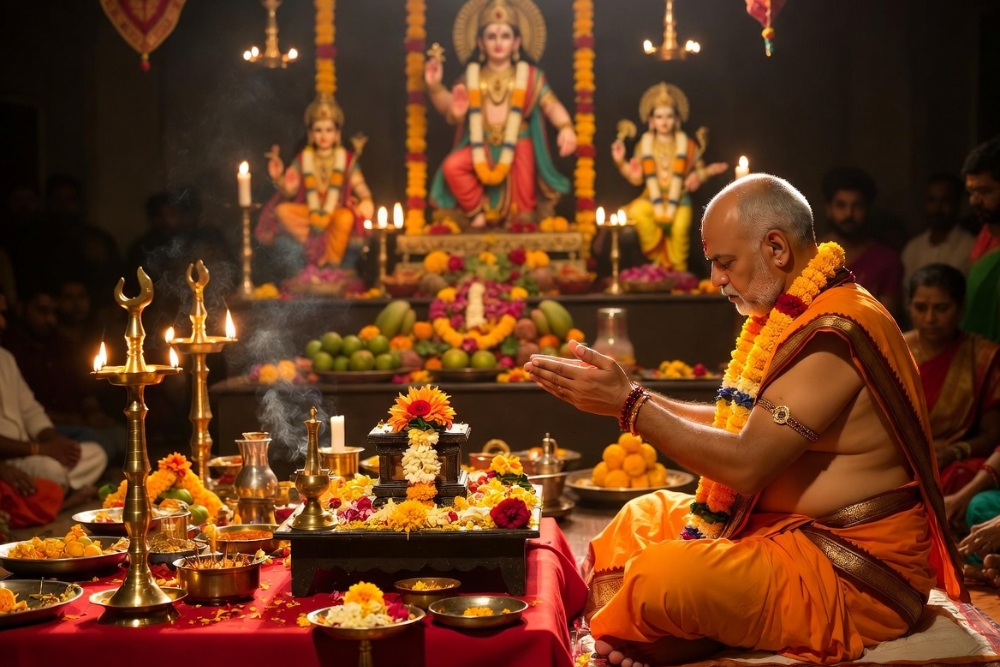
Kalsarp Dosh Puja in Haridwar: Meaning, Ritual Process, and Spiritual Significance
Many people turn to spiritual practices when they feel certain challenges in life seem unusually persistent. In Vedic astrology, one such condition often discussed is Kaal Sarp Dosh. For those seeking spiritual remedies, performing Kalsarp Dosh Puja in Haridwar is widely considered a meaningful way to address this planetary imbalance.
Haridwar has long been regarded as one of India’s most sacred pilgrimage cities. Located along the banks of the holy Ganga, it attracts devotees from across the country who come here to perform important rituals and seek divine blessings.
When the chants of Vedic mantras echo through temples and the sound of the flowing river fills the air, the atmosphere naturally feels spiritual. For many devotees, performing Kalsarp Dosh Puja in such a place adds depth and faith to the ritual.
In this guide, we’ll explore the meaning of Kaal Sarp Dosh, why Haridwar is considered an important location for the ritual, the procedure of the puja, and how devotees usually arrange the ceremony with the best pandit in Haridwar.
Understanding Kaal Sarp Dosh in Vedic Astrology
Kaal Sarp Dosh is a planetary condition described in Vedic astrology. It occurs when all the seven major planets in a person’s birth chart are positioned between the shadow planets Rahu and Ketu.
According to traditional interpretations, this alignment may create certain challenges or delays in different areas of life.
Some astrologers associate Kaal Sarp Dosh with situations such as:
Unexpected obstacles in career or business
Financial instability
Delays in marriage
Emotional stress or uncertainty
Sudden ups and downs in life
It’s important to understand that interpretations can vary among astrologers. However, many people choose to perform spiritual rituals like Kalsarp Dosh Puja as a way to seek peace, balance, and divine blessings.
Why Haridwar Is Considered Sacred for Kalsarp Dosh Puja
Spiritual Power of the Ganga
Haridwar is one of the seven sacred cities in Hindu tradition. The holy Ganga flows through the city, and its water is believed to carry powerful spiritual energy.
Many rituals connected with purification, ancestral prayers, and planetary remedies are performed here.
When devotees perform Kalsarp Dosh Puja in Haridwar, the sacred river becomes part of the ritual process, symbolizing purification and renewal.
Presence of Ancient Temples
Haridwar and nearby areas are home to several important temples where Vedic rituals are performed regularly.
Pilgrims often visit places such as:
Mansa Devi Temple
Chandi Devi Temple
Daksh Mahadev Temple
Neelkanth Mahadev Temple
These temples have been centers of devotion for centuries and contribute to the spiritual atmosphere of the city.
Signs That Lead People to Perform Kalsarp Dosh Puja
People usually perform the ritual after consulting an astrologer who studies their birth chart.
Some situations where the puja may be suggested include:
Continuous Life Obstacles
When individuals face repeated challenges despite consistent efforts, they sometimes explore astrological explanations.
Career or Financial Instability
Some astrologers link Kaal Sarp Dosh with fluctuating career paths or financial uncertainty.
Delays in Marriage or Relationships
Another commonly mentioned concern is delays in marriage or difficulties in relationships.
Emotional Restlessness
Some individuals seek the puja for inner peace and spiritual clarity.
It’s important to remember that many people perform the ritual as an act of faith and devotion rather than relying solely on astrological predictions.
Ritual Process of Kalsarp Dosh Puja in Haridwar
The procedure of Kalsarp Dosh Puja in Haridwar follows traditional Vedic practices guided by experienced priests.
Although the exact steps may vary slightly, the general process includes the following stages.
Sankalp – Setting the Intention
The ceremony begins with Sankalp, where the priest formally declares the purpose of the puja.
The devotee provides details such as:
Name
Gotra (family lineage)
Birth details
Purpose of performing the puja
This step connects the ritual to the individual’s spiritual intention.
Invocation of Deities
During this stage, priests invoke divine energies, particularly Lord Shiva and the planetary forces associated with Rahu and Ketu.
Mantras are chanted to seek blessings and protection.
Abhishek of Shiva Lingam
Lord Shiva plays an important role in many astrological remedies.
The Shiva Lingam is bathed with sacred substances such as:
Ganga water
Milk
Honey
Yogurt
Ghee
These offerings symbolize purification and devotion.
Rahu–Ketu Shanti Ritual
The priest performs specific mantras dedicated to Rahu and Ketu.
This part of the ritual is intended to balance planetary energies associated with Kaal Sarp Dosh.
Havan (Sacred Fire Ritual)
A sacred fire ritual is often performed during the ceremony.
Offerings are made into the fire while mantras are recited. Fire is considered a powerful medium for spiritual transformation.
Final Prayers and Blessings
The ceremony concludes with prayers seeking peace, stability, and blessings for the devotee and their family.
Devotees usually receive prasad after the ritual.
Best Time to Perform Kalsarp Dosh Puja
Although the puja can be performed throughout the year, certain days are considered especially favorable.
Nag Panchami
This festival dedicated to serpent deities is considered particularly auspicious for Kaal Sarp related rituals.
Mondays and Pradosh
Days associated with Lord Shiva are often preferred.
During Specific Muhurat
Some devotees perform the puja based on an astrologically recommended date.
An experienced priest or the best pandit in Haridwar can help determine the most suitable time.
Finding the Best Pandit in Haridwar for Kalsarp Dosh Puja
Because Kaal Sarp rituals involve Vedic chanting and specific procedures, the guidance of a knowledgeable priest is important.
Devotees searching for the best pandit in Haridwar often consider a few key factors.
Knowledge of Vedic Rituals
A well-trained priest understands the proper mantras and sequence of rituals.
Experience With Astrological Remedies
Priests who regularly perform planetary remedies are familiar with the details of Kaal Sarp rituals.
Clear Communication
Devotees traveling from other cities may appreciate priests who explain the meaning of the ceremony and guide them patiently.
Reputation and Trust
In pilgrimage cities like Haridwar, word-of-mouth recommendations often help devotees find reliable priests.
Preparing for Kalsarp Dosh Puja in Haridwar
If you are planning the ritual, a little preparation can help make the experience smooth and meaningful.
Confirm the Puja Date
Consulting a priest beforehand helps finalize the most suitable date and time.
Bring Basic Personal Details
Priests usually require:
Birth date and time
Gotra
Names of family members participating in the ritual
Plan Your Stay in Haridwar
Haridwar offers many guesthouses and dharamshalas near the ghats and temples where rituals are performed.
Staying nearby can make it easier to attend early morning ceremonies.
Other Spiritual Experiences in Haridwar
Many devotees combine their ritual visit with other spiritual activities.
Ganga Aarti at Har Ki Pauri
The evening Ganga Aarti is one of the most powerful spiritual experiences in the city.
Temple Visits
Pilgrims often visit nearby temples to seek blessings.
Meditation by the River
Spending quiet time near the Ganga can create a peaceful and reflective experience.
Cultural Importance of Spiritual Remedies
In Indian tradition, rituals and prayers have long been a way for individuals to seek balance and clarity in life.
Ceremonies like Kalsarp Dosh Puja in Haridwar reflect this belief that spiritual practices can help bring peace to the mind and harmony to life’s journey.
For many devotees, the experience becomes less about astrology and more about devotion, reflection, and connecting with sacred traditions.
Conclusion
Haridwar has been a center of spiritual practice for centuries, where devotees come to perform sacred rituals and seek divine blessings.
Performing Kalsarp Dosh Puja in Haridwar allows devotees to combine traditional Vedic practices with the powerful spiritual environment of the Ganga.
With the guidance of the best pandit in Haridwar, the ceremony follows authentic traditions that have been preserved for generations.
Beyond the ritual itself, the experience often becomes a moment of reflection and faith—one that reminds devotees of the enduring connection between spirituality, tradition, and inner peace.
Why Choose Us
- Experienced and Knowledgeable Pandits
- Puja Services with All Puja Materials Included
- Authentic Vedic Rituals
- Complete Guidance and Assistance
- Convenient Puja Arrangements at Sacred Ghats
Other Puja Service
- Pitra Dosh Nivaran Puja in Haridwar
- Narayan Bali Puja in Haridwar
- Narayan Nag Bali Puja in Haridwar
- Pind Daan Puja in Haridwar
- Mundan Sanskar Puja in Haridwar
- Rudrabhishek Puja in Haridwar
- Kalsarp Dosh Puja in Haridwar
- Marriage or Vivah Puja in Haridwar
- Manglik or Mangal Dosh Puja in Haridwar
- Kumbh Vivah and Vishnu Vivah in Haridwar
- Navgraha Shanti Puja Havan in Haridwar