
Pind Daan Puja in Haridwar
Pind Daan Puja in Haridwar: Meaning, Ritual Process, and Spiritual Importance
For many families across India, honoring ancestors is not just a tradition—it is a deeply rooted spiritual responsibility. Among the most important rituals connected to ancestral remembrance is Pind Daan Puja in Haridwar. Families travel from different parts of the country to perform this sacred ceremony on the banks of the Ganga, believing it brings peace to departed souls and blessings to future generations.
Haridwar has long been considered one of the most sacred places for ancestral rites. The holy river, ancient temples, and generations of Vedic priests make the city a spiritual center for Pitru-related rituals. Performing Pind Daan here is believed to carry special significance because offerings made in the Ganga are said to reach the ancestors more directly.
If you are planning to perform this ritual, understanding its meaning, timing, and procedure can help you prepare properly. This guide explains the purpose of Pind Daan Puja in Haridwar, how the ceremony is performed, and how families usually arrange the ritual with the best pandit in Haridwar.
What Is Pind Daan Puja?
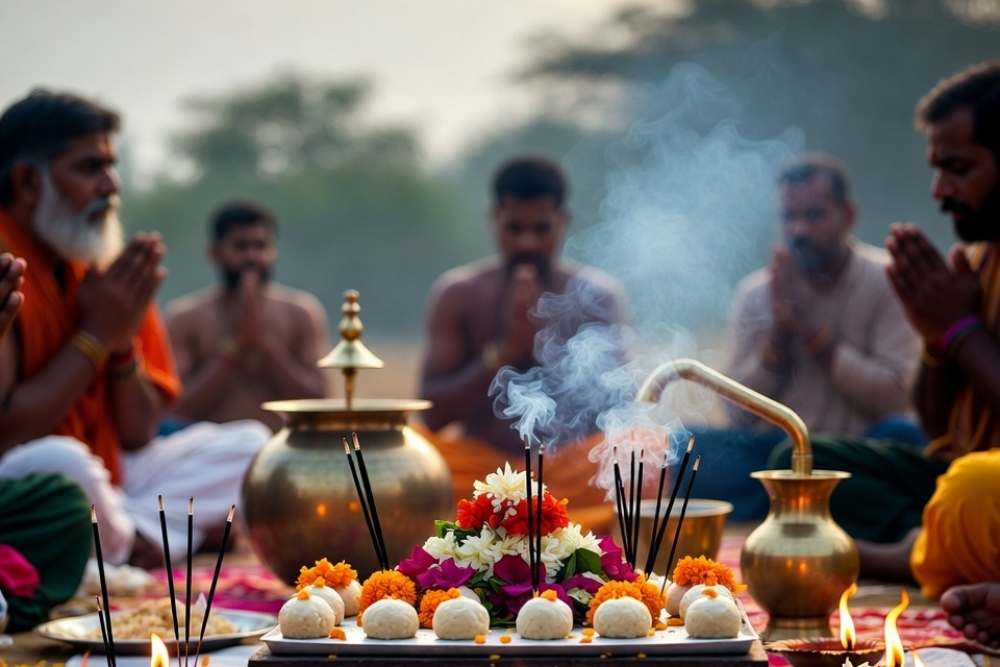
Pind Daan is an important ritual in Hindu tradition performed to honor departed ancestors. The word “Pind” refers to small rice balls prepared during the ceremony, while “Daan” means offering.
During the ritual, these rice balls are offered along with prayers and sacred mantras for the peace and liberation of ancestral souls.
The ceremony is rooted in ancient scriptures and reflects the belief that the living have a responsibility toward their ancestors. By performing Pind Daan, family members express gratitude, remembrance, and respect for those who came before them.
Traditionally, the ritual is conducted by a priest who guides the devotee through each step, ensuring the ceremony follows Vedic customs.
Why Haridwar Is a Sacred Place for Pind Daan Puja
Spiritual Significance of the Ganga
Haridwar is one of the most revered pilgrimage cities in India. It is believed to be a gateway to the divine, where the sacred Ganga descends from the Himalayas and flows into the plains.
For centuries, people have come here to perform rituals connected to life, death, and spiritual purification.
Performing Pind Daan Puja in Haridwar is considered especially meaningful because the Ganga is believed to cleanse karmic burdens and carry prayers to the ancestors.
Many ceremonies are performed at famous ghats such as Har Ki Pauri, where the spiritual atmosphere is felt strongly, especially during early morning rituals.
Tradition of Ancestral Rituals
Haridwar has long been associated with ceremonies for departed souls. Families often visit the city for rituals such as:
Pind Daan
Pitra Dosh Nivaran Puja
Narayan Bali Puja
Asthi Visarjan
Because of this long-standing tradition, many priests here specialize in Pitru rituals. Choosing the best pandit in Haridwar ensures the ceremony is conducted according to traditional Vedic procedures.
When Should Pind Daan Puja Be Performed?
Although Pind Daan can be performed throughout the year, certain times are considered especially auspicious.
Pitru Paksha
The most significant time for ancestral rituals is Pitru Paksha, a sixteen-day period dedicated entirely to honoring ancestors.
During this period:
Families offer food and prayers to departed souls.
Priests perform Pind Daan ceremonies.
Devotees seek blessings from ancestors.
Haridwar receives many pilgrims during Pitru Paksha, as the ghats become centers for these rituals.
Amavasya (New Moon Day)
Many families also perform Pind Daan on Amavasya, which is considered spiritually connected to ancestral energies.
Special Family Occasions
Some families choose to perform the ritual on death anniversaries or other significant dates connected to their ancestors.
A knowledgeable priest can help determine the most appropriate time for the ceremony.
Ritual Process of Pind Daan Puja in Haridwar
The procedure of Pind Daan Puja in Haridwar follows traditional Vedic practices. While small variations may exist depending on family customs, the general steps remain similar.
Sankalp: Declaring the Ritual Intention
The ceremony begins with Sankalp, a formal declaration made by the priest.
The devotee states:
Their name
Gotra (family lineage)
Names of ancestors for whom the ritual is performed
This step establishes the spiritual purpose of the ceremony.
Preparation of Pindas
The priest prepares small rice balls called pindas using rice, barley flour, black sesame seeds, and ghee.
Each pinda symbolically represents an ancestor.
These offerings serve as a gesture of nourishment and remembrance.
Tarpan Ritual
During Tarpan, water mixed with sesame seeds is offered to the ancestors while sacred mantras are recited.
The devotee pours water slowly into the flowing river while remembering the departed.
This act symbolizes respect and gratitude toward the ancestral lineage.
Offering the Pindas
The rice balls are offered with prayers asking for peace and liberation for the ancestors.
In Haridwar, these offerings are often made near the riverbanks so that the sacred water carries the prayers forward.
Final Prayers and Blessings
The ceremony concludes with prayers for the peace of departed souls and the well-being of the family.
In many cases, devotees also donate food or offer charity as part of the ritual tradition.
Spiritual Benefits of Pind Daan Puja
Families perform Pind Daan not only because of tradition but also because of the spiritual meaning associated with the ritual.
Some commonly believed benefits include:
Peace for Departed Souls
The ceremony is intended to help ancestors attain spiritual peace.
Gratitude Toward Previous Generations
Pind Daan is an expression of remembrance and appreciation for ancestors who contributed to the family lineage.
Relief from Ancestral Dosha
In astrology, unresolved ancestral karma may influence current generations. Performing ancestral rituals is believed to help restore balance.
Emotional Closure
For many families, the ritual becomes a moment of reflection and connection with their heritage.
Finding the Best Pandit in Haridwar for Pind Daan Puja
Choosing the right priest is important when arranging ancestral rituals.
Since the ceremony follows specific Vedic traditions, it is best performed under the guidance of an experienced priest.
Families searching for the best pandit in Haridwar often consider the following factors.
Experience with Pitru Rituals
Some priests specialize in ancestral ceremonies such as Pind Daan and Pitra Dosh remedies.
Knowledge of Vedic Procedures
A knowledgeable priest ensures the correct mantras and ritual steps are followed.
Clear Guidance for Devotees
Visitors traveling from different parts of India may be unfamiliar with the ritual process. A good priest explains each step calmly.
Local Reputation
In pilgrimage cities like Haridwar, word-of-mouth recommendations often help families find reliable priests.
Preparing for Pind Daan Puja in Haridwar
If you are planning to perform the ceremony, a little preparation can make the experience more comfortable.
Collect Ancestral Details
Priests may ask for:
Names of ancestors
Gotra
Family lineage details
Having this information ready helps during the Sankalp.
Plan Travel and Accommodation
Haridwar offers many dharamshalas, guesthouses, and hotels near the ghats where rituals are performed.
Staying nearby can make it easier to attend early morning ceremonies.
Speak With a Priest Before Arrival
Many families contact a priest in advance to confirm the date, timing, and required materials for the ritual.
Other Rituals Often Performed Alongside Pind Daan
When families visit Haridwar for ancestral ceremonies, they sometimes perform additional rituals as well.
These may include:
Asthi Visarjan
Immersion of ashes of the departed in the Ganga.
Pitra Dosh Nivaran Puja
A ritual performed to address ancestral karmic imbalances indicated in astrology.
Ganga Snan
A sacred bath in the Ganga before performing rituals is considered spiritually purifying.
Because Haridwar has been associated with ancestral rites for centuries, many families combine several ceremonies during their visit.
Cultural Importance of Honoring Ancestors
In Indian culture, the relationship between generations is considered sacred. The belief that ancestors continue to influence the lives of their descendants has shaped many spiritual traditions.
Rituals like Pind Daan Puja in Haridwar reflect this connection.
They serve as a reminder that family history, gratitude, and remembrance remain important aspects of spiritual life.
Standing beside the flowing Ganga while offering prayers for ancestors often becomes a deeply emotional moment for many devotees.
Conclusion
For centuries, Haridwar has been a spiritual destination where families come to perform rituals for their ancestors with devotion and sincerity.
Performing Pind Daan Puja in Haridwar is believed to help bring peace to departed souls while strengthening the spiritual bond between generations.
With the guidance of the best pandit in Haridwar, the ceremony follows traditional Vedic practices that have been preserved through generations.
More than just a ritual, Pind Daan is a meaningful act of remembrance—one that honors the past while seeking blessings for the future.
Why Choose Us
- Experienced and Knowledgeable Pandits
- Puja Services with All Puja Materials Included
- Authentic Vedic Rituals
- Complete Guidance and Assistance
- Convenient Puja Arrangements at Sacred Ghats
Other Puja Service
- Pitra Dosh Nivaran Puja in Haridwar
- Narayan Bali Puja in Haridwar
- Narayan Nag Bali Puja in Haridwar
- Pind Daan Puja in Haridwar
- Mundan Sanskar Puja in Haridwar
- Rudrabhishek Puja in Haridwar
- Kalsarp Dosh Puja in Haridwar
- Marriage or Vivah Puja in Haridwar
- Manglik or Mangal Dosh Puja in Haridwar
- Kumbh Vivah and Vishnu Vivah in Haridwar
- Navgraha Shanti Puja Havan in Haridwar