Pitra Dosh Nivaran Puja in Haridwar
Pitra Dosh Nivaran Puja in Haridwar: Meaning, Process, and Spiritual Importance
For many families, ancestral blessings are believed to play a powerful role in shaping life’s harmony and prosperity. When those blessings are disrupted, astrology often points to Pitra Dosh—a karmic imbalance linked to the ancestors.
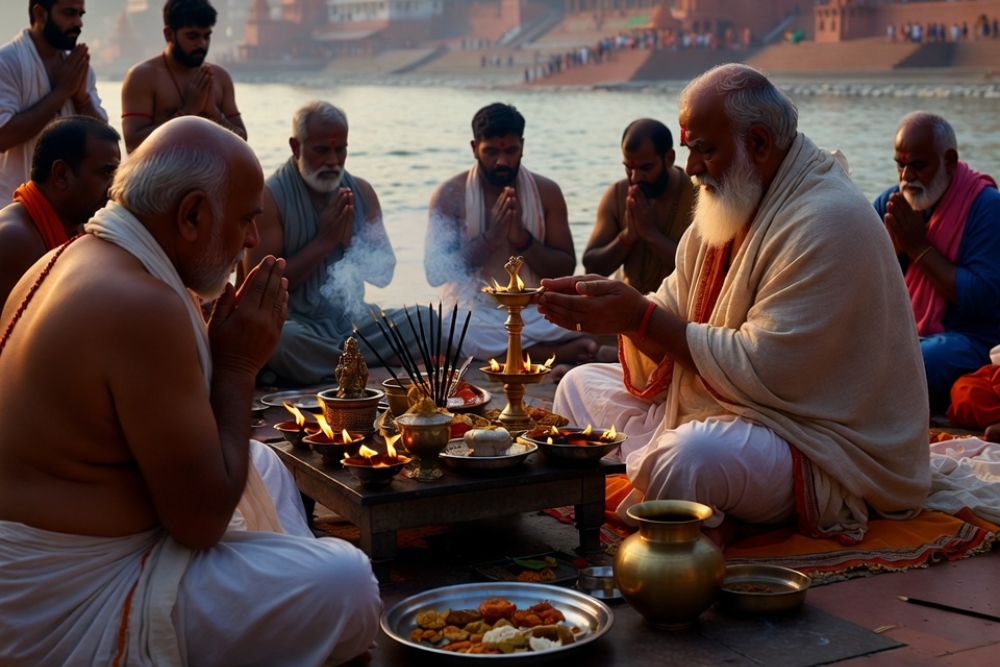
One of the most respected ways to address this is through Pitra Dosh Nivaran Puja in Haridwar, a sacred ritual performed on the banks of the Ganga. Haridwar has been a center for ancestral rituals for centuries, drawing families from across India who wish to perform Pitru-related ceremonies in a spiritually powerful environment.
The city’s ghats, ancient temples, and experienced priests create a setting where traditional Vedic rituals are conducted with authenticity and devotion.
In this guide, we’ll explore what Pitra Dosh means, why Haridwar is considered special for the ritual, and how families can arrange the ceremony with the best pandit in Haridwar.
Understanding Pitra Dosh in Vedic Astrology
In Vedic astrology, Pitra Dosh refers to a planetary condition indicating unresolved karma related to one’s ancestors. It is believed to occur when ancestors have not received proper rituals after death or when certain karmic obligations remain unfulfilled.
Many astrologers identify this dosh through planetary positions, particularly involving the Sun, Rahu, and Saturn in a birth chart.
While interpretations vary, families often associate Pitra Dosh with patterns such as:
Repeated obstacles in career or finances
Delays in marriage
Difficulties related to children
Family disputes or ongoing instability
A sense of stagnation despite effort
Spiritual traditions suggest that performing Pitra Dosh Nivaran Puja helps restore ancestral balance and invites positive energy back into the family lineage.
Why Haridwar Is Considered Sacred for Pitra Dosh Nivaran Puja
The Spiritual Significance of Haridwar
Haridwar is one of India’s most revered pilgrimage cities. Located where the Ganga descends from the Himalayas into the plains, it has been a sacred center for spiritual rituals for thousands of years.
In Hindu belief, the Ganga is not just a river—it is considered a divine purifier capable of dissolving karmic burdens.
Performing Pitra Dosh Nivaran Puja in Haridwar is therefore seen as especially powerful.
Families travel here because:
Rituals performed on the banks of the Ganga are believed to reach ancestors more directly.
Haridwar has generations of Vedic priests specializing in Pitru rituals.
Many sacred ghats, including Har Ki Pauri, are associated with ancestral offerings.
Scriptures mention the region as an important gateway between earthly and spiritual realms.
Because of these factors, Haridwar has become one of the most trusted destinations for Pitru-related ceremonies.
When Should Pitra Dosh Nivaran Puja Be Performed?
Timing often plays an important role in Vedic rituals.
While the puja can technically be performed throughout the year, certain periods are considered particularly auspicious.
Pitru Paksha
The most common time for ancestral rituals is Pitru Paksha, a 16-day lunar period dedicated entirely to honoring ancestors.
During this time:
Families offer prayers and food offerings (Pind Daan).
Rituals for ancestral peace are performed.
Pandits conduct special ceremonies for Pitra Dosh relief.
Other Auspicious Days
Apart from Pitru Paksha, the puja may also be conducted on:
Amavasya (new moon day)
Mahalaya Amavasya
Solar or lunar eclipse periods
Specific dates recommended by astrologers
A knowledgeable priest or best pandit in Haridwar can guide families about the most suitable time based on their situation.
Ritual Process of Pitra Dosh Nivaran Puja in Haridwar
Although the exact procedure can vary depending on family traditions, most ceremonies follow a structured Vedic sequence.
1. Sankalp (Sacred Intention)
The ritual begins with a Sankalp, where the priest formally states the purpose of the puja.
The devotee mentions:
Their name and family lineage
The intention to seek peace for ancestors
The wish to remove Pitra Dosh
This declaration connects the ritual to the family’s spiritual lineage.
2. Invocation of Ancestors
During this stage, priests chant Vedic mantras to invite ancestral energies.
Offerings such as:
Black sesame seeds
Water from the Ganga
Rice and barley
are made to symbolize nourishment for departed souls.
3. Pind Daan Ceremony
Pind Daan is one of the most significant parts of the ritual.
Small rice balls called pindas are offered as symbolic bodies for the ancestors.
These offerings represent:
Gratitude toward previous generations
A request for forgiveness
A prayer for ancestral liberation
Haridwar’s ghats are especially known for this ceremony.
4. Tarpan Ritual
Tarpan involves offering water mixed with sesame seeds while reciting mantras.
The act symbolizes:
Respect for ancestors
Release of karmic burdens
Blessings for the family lineage
The flowing Ganga is believed to carry these offerings to the spiritual realm.
5. Narayan Bali or Pitru Shanti Puja (If Required)
In certain cases, astrologers recommend additional rituals such as Narayan Bali Puja.
This ceremony is performed when:
Ancestors passed away unnaturally
Rituals after death were incomplete
There are strong astrological indications of ancestral imbalance
These rituals are performed by experienced priests specializing in Pitru ceremonies.
Benefits of Performing Pitra Dosh Nivaran Puja
Many families choose to perform the ritual not only because of astrological advice but also as a way of honoring their lineage.
Some commonly believed benefits include:
Spiritual Peace for Ancestors
The ceremony is performed with the intention of helping departed souls find peace and liberation.
Relief from Ancestral Karma
According to traditional belief, unresolved ancestral karma may influence current generations. The puja aims to restore harmony in that lineage.
Improved Family Harmony
Many people report a sense of emotional closure and family unity after performing ancestral rituals.
Removal of Life Obstacles
Astrological traditions suggest that addressing Pitra Dosh can help reduce recurring obstacles related to career, marriage, or finances.
While spiritual outcomes depend on faith and belief, the ritual itself carries deep cultural and emotional significance.
Choosing the Best Pandit in Haridwar for the Puja
Since Pitru rituals involve precise Vedic procedures, selecting an experienced priest is important.
Haridwar has many priests, but families often look for someone who understands both tradition and individual needs.
Here are a few things to consider when searching for the best pandit in Haridwar.
Experience in Pitru Rituals
Not all priests specialize in ancestral ceremonies. It’s helpful to choose someone who regularly conducts:
Pitra Dosh Nivaran Puja
Pind Daan
Narayan Bali rituals
Knowledge of Vedic Procedures
Authentic rituals follow specific mantras and steps described in ancient scriptures.
A knowledgeable pandit ensures the ceremony is performed correctly.
Clear Communication
Many families travel from different parts of India or abroad. A priest who explains the process clearly makes the experience smoother and more meaningful.
Local Reputation
Word of mouth still matters in pilgrimage cities like Haridwar. Local recommendations can help identify priests known for conducting genuine rituals.
How to Prepare Before Coming to Haridwar
Planning ahead can make the ceremony more comfortable and organized.
Here are a few practical tips.
Consult an Astrologer
Some families perform the puja based on astrological recommendations. Knowing the suggested dates can help schedule the ritual.
Bring Basic Information
Priests often ask for:
Names of ancestors
Gotra (family lineage)
Birth details of the devotee
Having these details ready helps during the Sankalp.
Plan Your Stay
Haridwar offers many guesthouses and dharamshalas near the ghats.
Staying close to the ritual location can make the experience more peaceful and convenient.
Other Spiritual Rituals Often Performed in Haridwar
Many families combine Pitra Dosh Nivaran Puja in Haridwar with other sacred ceremonies.
These may include:
Ganga Snan (Holy Bath)
Taking a ritual bath in the Ganga before the puja is believed to purify the body and mind.
Rudrabhishek
A Shiva ritual performed for spiritual cleansing and protection.
Asthi Visarjan
Immersion of ashes of the departed in the Ganga, another important ancestral tradition.
Because Haridwar has long been associated with life-cycle rituals, many families complete multiple ceremonies during their visit.
Cultural Importance of Honoring Ancestors
Beyond astrology, ancestral rituals hold a deep cultural meaning in Indian tradition.
They represent:
Respect for previous generations
Gratitude for family heritage
Continuity between past and present
For many people, performing these ceremonies in Haridwar is not just about removing a dosh—it is about reconnecting with family roots and spiritual traditions.
Standing by the Ganga during these rituals often creates a quiet moment of reflection, something that resonates deeply with many families.
Conclusion
For generations, families have traveled to the sacred ghats of Haridwar seeking blessings for their ancestors and peace for their lineage.
Performing Pitra Dosh Nivaran Puja in Haridwar is considered one of the most meaningful ways to honor departed souls while addressing ancestral karmic imbalances described in Vedic astrology.
With the guidance of the best pandit in Haridwar, the ritual follows ancient traditions that have been practiced for centuries along the Ganga.
Whether approached from a spiritual, cultural, or astrological perspective, the ceremony remains an important part of India’s living heritage—one that continues to connect families with their ancestors and their faith.
Why Choose Us
- Experienced and Knowledgeable Pandits
- Puja Services with All Puja Materials Included
- Authentic Vedic Rituals
- Complete Guidance and Assistance
- Convenient Puja Arrangements at Sacred Ghats
Other Puja Service
- Pitra Dosh Nivaran Puja in Haridwar
- Narayan Bali Puja in Haridwar
- Narayan Nag Bali Puja in Haridwar
- Pind Daan Puja in Haridwar
- Mundan Sanskar Puja in Haridwar
- Rudrabhishek Puja in Haridwar
- Kalsarp Dosh Puja in Haridwar
- Marriage or Vivah Puja in Haridwar
- Manglik or Mangal Dosh Puja in Haridwar
- Kumbh Vivah and Vishnu Vivah in Haridwar
- Navgraha Shanti Puja Havan in Haridwar